In the world of forex trading, the use of forex trading signal Forex Vietnam trading signals has become increasingly popular among both novice and experienced traders. These signals offer essential insights and actionable recommendations that can significantly enhance trading strategies. This article delves into the concept of forex trading signals, their significance, and how traders can leverage them for better results.
What are Forex Trading Signals?
Forex trading signals are indicators or recommendations that suggest when to buy or sell a currency pair. These signals are generated based on various methods, including technical analysis, fundamental analysis, or a combination of both. Traders use these signals to make informed decisions, improving their chances of success in the highly volatile forex market.
Types of Forex Trading Signals
Forex trading signals can be categorized into two main types: manual signals and automated signals.
- Manual Forex Signals: These signals are generated by traders or analysts who analyze market trends and provide recommendations. Traders can choose to act on these signals based on their strategies and risk tolerance.
- Automated Forex Signals: Powered by algorithms and advanced technology, automated signals are generated by trading software or platforms. These signals rely on historical data and statistical methods to predict market movements.
How Forex Trading Signals Work

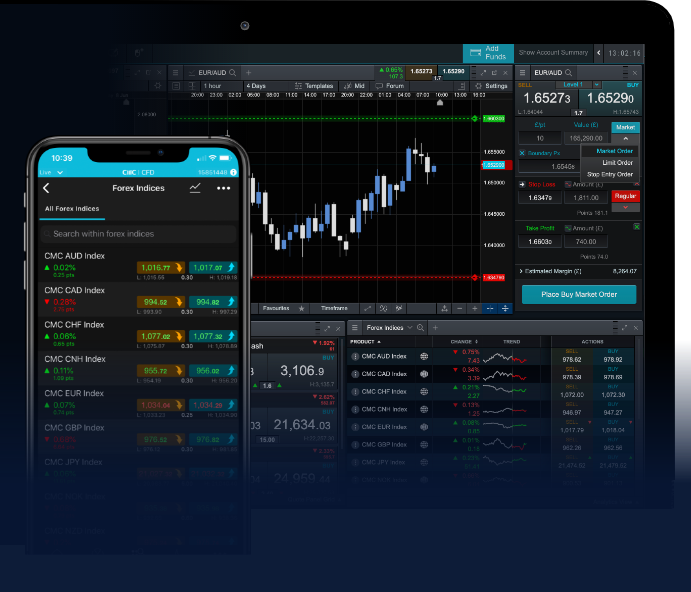
Forex trading signals operate by providing traders with specific information about an optimal entry or exit point in the market. Signals typically include:
- Currency Pair: The specific currencies involved in the trade.
- Direction: Whether the trader should buy (go long) or sell (go short) the currency pair.
- Entry Point: The price level at which the trader should enter a trade.
- Take Profit Level: A price level at which to close the trade for profit.
- Stop Loss Level: A price level at which to exit the trade to prevent excessive loss.
Benefits of Using Forex Trading Signals
Utilizing forex trading signals offers numerous advantages, making them a crucial component of many traders’ strategies:
- Time-Saving: Traders can save significant time by relying on signals instead of conducting extensive market analysis themselves.
- Informed Decision-Making: Signals provide traders with actionable insights based on market data, helping them make better decisions.
- Risk Management: By integrating stop loss and take profit levels, signals can help traders manage their risk more effectively.
- Accessibility: Forex signals are accessible to everyone, regardless of skill level, making it easier for beginners to engage in trading.
Factors to Consider When Choosing Forex Signals
While forex trading signals can be beneficial, selecting the right signals is critical. Here are some factors to consider:
- Source Reliability: Ensure that the source of the signals has a good reputation and proven track record.
- Performance History: Look for signals that have consistently performed well in various market conditions.
- Transparency: Choose signals that provide clear explanations of the rationale behind each recommendation.
- Cost: Evaluate whether the cost of the signals aligns with your budget and expected returns.
Challenges of Forex Trading Signals
Despite their benefits, forex trading signals also present certain challenges:
- Market Volatility: The forex market can be highly volatile, and even the best signals may not always guarantee success.
- Over-Reliance: Traders may become overly dependent on signals and neglect their analysis, leading to poor trading practices.
- Delayed Signals: Sometimes, signals may be delayed, resulting in missed opportunities for traders.
How to Effectively Use Forex Trading Signals
To maximize the efficacy of forex trading signals, traders should consider the following best practices:
- Combine with Personal Analysis: Use signals as a supplement to your own market analysis rather than relying solely on them.
- Start with a Demo Account: Test the effectiveness of signals on a demo account before using real money.
- Remain Disciplined: Stick to your trading plan and risk management strategy when acting on signals.
- Continuously Learn: Stay informed about market conditions and trends to make better decisions, even when using signals.
Conclusion
Forex trading signals are a powerful tool for traders looking to enhance their strategies and improve their market performance. By understanding the types of signals available, knowing how to use them effectively, and being aware of their limitations, traders can navigate the forex market with greater confidence. As the forex landscape continues to evolve, embracing reliable signals can be a key factor in achieving long-term trading success.
Leave a Reply